

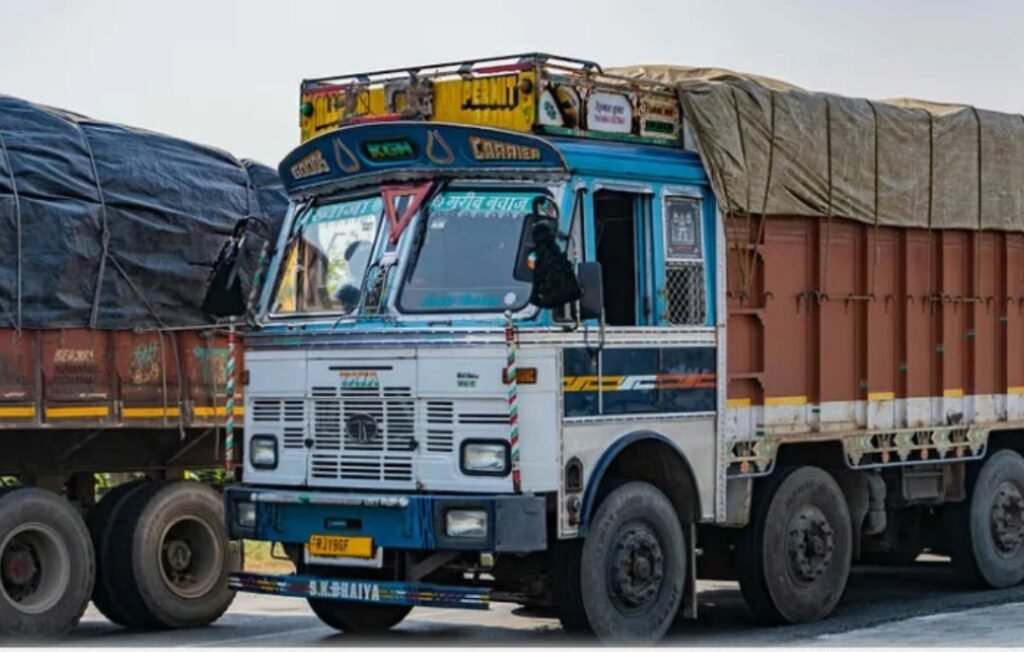
Transporting India: The Growing Need for Reforms in the Trucking Sector
India’s trucking industry faces challenges such as highly unorganized operations, inefficient load matching, high broking costs, limited reach, lack of transparency. India is experiencing historical growth — urbanisation, population increase, the rise of e-commerce, and increasing income levels have heightened the demand for goods and services. The road freight sector is expected to grow fourfold by 2050 to meet this rising demand. Currently the trucks transport more than 65% of India’s freight. The trucking industry provides employment to 2.2 crore people while adding 5% to India’s GDP. However, the sector continues to face challenges such as highly unorganized operations, inefficient load matching, high broking costs, limited reach, lack of transparency, and an overall fragmented network that relies heavily on personal contacts and lacks an easily accessible knowledge base. With the sector’s accelerated expansion, increased demand, and the country’s overall economic ambitions, it is critical that it manages these obstacles and rapidly evolves to become the actual backbone of a USD five trillion economy. Truck Drivers: The Unsung Heroes Who Need Support Truck driving used to be a respected occupation until public perception shifted. In the 1980s, each truck had 1.3 drivers, but today, this ratio has dropped to 0.55, leaving 40% of trucks without drivers. It may be because a trucker’s profession is very demanding and involves obvious as well as implicit issues and challenges like irregular shifts, long trips without adequate rest, hostile working conditions,unaddressed health issues, etc. However, several programs like Project Abhay for wellness, road safety and sustainable Livelihoods for truck drivers have started to improve trucker conditions by providing health screenings and vision check-ups and mental health support services. These initiatives have reached thousands of drivers who previously neglected their medical needs. Social security schemes like Ayushman Bharat and e- Shram enable many people to obtain health and accident coverage benefits for both them and their family members. More of these initiatives are needed if we want to attract younger generations to the profession. Better working conditions with social security and wellness support with financial literacy can make their work easier and more rewarding. A trucker who feels valued will drive with more confidence and safety, benefiting everyone on the road. Safer Highways, Smarter Logistics Every trucking journey remains an unpredictable experience for drivers. Though the conditions of highways have increased multifold but still at many places lack of roadway lighting combined with unmarked lanes and the shortage of designated resting areas transforms highways into risky environments. The heavy traffic in freight corridors causes delays that force drivers to speed up longer routes which raises their chances of accidents. To resolve these issues, investments in high-visibility lane markers combined with well-maintained highways and designated truck rest facilities will create significant improvements in road safety. Technology is another game-changer. Most truck drivers currently depend on oral recommendations for their routes, yet GPS training enables them to select optimal routes that combine speed and safety. Digital freight platforms enhance load matching, so they reduce the number of trips without cargo and increase trucker profits. Further inclusion of technology will drive both operational efficiency and sustainability within trucking industry. A Shared Responsibility The trucking industry functions as both a vital connection between companies and a profitable business. All stakeholders, including the government, along with logistics businesses and fleet owners, and industry associations, are responsible for ensuring the success of the trucking sector. While focus on operational and administrative efficiency is essential, it should be complemented with increased attention to the quality of life experienced by the truckers. Standardization of the operational and administrative systems could help in improving the driving performance of drivers along with their health and well-being. Thus, there is an urgent need to secure sustained commitment and harmonized strategic support to the health and well-being of the truckers across stakeholder constituencies. Better driver incentive schemes coupled with updated policies and enhanced pay structures will transform how people view trucking professionals. Companies making investments to enhance driver well-being combined with safety instruction and technological implementation will develop new industry benchmarks. The path to change extends over a long period yet remains essential to pursue. The success of the trucking sector directly reflects the operational efficiency of the entire nation.